Class Calendar | Call admissions on 415-943-2028
Get free phlebotomy training—exclusively for eligible Amazon Associates / Find MA training at BAMA
Class Calendar | Call admissions on 415-943-2028
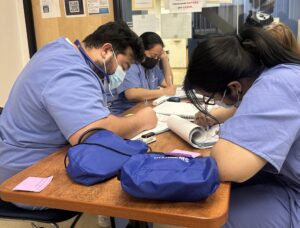
Starting a career in healthcare, including enrolling in phlebotomy classes, can feel exciting and overwhelming at the same time. If you are considering becoming a phlebotomy technician, understanding certification and licensing is an important step. While phlebotomy classes and training programs teach you how to draw blood and interact with patients, certification helps validate your skills and can improve your job opportunities.
Phlebotomy classes are designed to prepare students for real clinical environments. In your classes, you will learn how to safely collect blood samples, handle medical equipment, and follow proper infection control procedures. You will also gain experience working with patients during an externship, which is a key part of the job.
Hands-on training is especially important. Practicing venipuncture techniques and specimen handling helps build confidence and ensures you are ready for the workplace.
Although not every state requires certification, many employers prefer or require it. Certification shows that you have completed a formal training program and passed an exam that tests your knowledge and skills.
Earning certification can make you a more competitive job candidate. It also demonstrates professionalism and a commitment to high standards in patient care. For many students, it is the final step that turns training into a career.
It is important to understand the difference between certification and licensing. Certification is typically earned through a national organization after passing an exam. Licensing, on the other hand, is granted by a state and may have additional requirements.
Some states require both certification and licensing, while others only recommend certification. For example, California requires phlebotomy technicians to be licensed in order to work. This means students must meet specific training requirements, complete clinical experience, and submit an application to the state.
Because requirements vary, it is important to check the regulations in the state where you plan to work. Schools like BAMA Institute help simplify this process by assisting students with their licensing application, making it easier to transition from training to employment.
After completing your training, the certification process usually involves applying for an exam through a recognized organization. You may need to provide proof of your education and clinical experience before taking the test.
Once you pass the exam, you will receive your certification. Many certifications require renewal after a certain period, which may include continuing education to keep your skills up to date.
Not all training programs are the same. Choosing a program that prepares you for certification is essential. Look for schools that offer hands-on experience, knowledgeable instructors, and a curriculum aligned with industry standards.
A strong program will guide you through both the training and certification process, helping you feel confident every step of the way. This support can make a big difference, especially if you are new to healthcare.
For example, BAMA Institute offers career-focused phlebotomy classes designed to prepare students for certification and real-world clinical settings. Students in the program have the opportunity to prepare for the NCPT (National Certified Phlebotomy Technician) certification, helping them stand out to employers and move confidently into the workforce.
If you are ready to take the next step, consider enrolling at BAMA Institute. Our phlebotomy technician course is designed to give you the hands-on experience, certification preparation, and confidence you need to succeed in today’s healthcare field. Take the first step toward a rewarding future and start your journey with phlebotomy classes today.
"*" indicates required fields
© 2024 BAMA Institute. All Rights Reserved. Website by WindsAndWater