
Class Calendar | Call admissions on 415-943-2028
Get free phlebotomy training—exclusively for eligible Amazon Associates / Find MA training at BAMA
Class Calendar | Call admissions on 415-943-2028
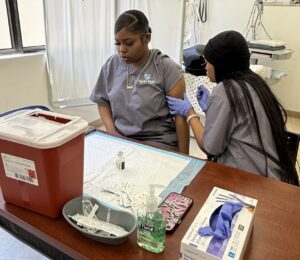
If you’re considering a career in healthcare, becoming a Licensed Phlebotomist in California is a great option. Phlebotomists play a crucial role in patient care by drawing blood for lab testing, transfusions, research, and donations. But unlike some states, California requires phlebotomists to be licensed—so it’s essential to understand the steps involved.
In California, you cannot legally work as a phlebotomist without state licensure. Even if you’ve completed training or have experience in another state, you must apply for and receive your California phlebotomy license before starting work. This regulation ensures patient safety and maintains high healthcare standards across the state.
The process to become a Licensed Phlebotomist in California involves several clear steps:
California recognizes three levels of licensure for phlebotomists:
Most professionals aim to become a Certified Phlebotomy Technician I, which qualifies them to work in a wide variety of clinical settings.
Being a Licensed Phlebotomist in California comes with ongoing responsibilities. Your license must be renewed every two years, and you’ll need to complete continuing education (usually 6 hours per cycle) through approved providers.
The state’s strict licensing ensures that every Licensed Phlebotomist is well-trained, competent, and safe to work with patients. It reduces errors in specimen collection and promotes better patient outcomes—key reasons why California is considered one of the most rigorous states for phlebotomy regulation.
At BAMA Institute, we specialize in preparing students to become a Licensed Phlebotomist in California, specifically as a Certified Phlebotomy Technician I (CPT-1). Our state-approved phlebotomy training program combines hands-on clinical practice with classroom instruction, ensuring you meet all CDPH requirements. From test preparation to clinical externships, we guide you every step of the way toward licensure.
Ready to start your journey? Contact our admissions team today to learn more about our comprehensive phlebotomy course and how we can help you become a Licensed Phlebotomist in California.
"*" indicates required fields

© 2024 BAMA Institute. All Rights Reserved. Website by WindsAndWater