Class Calendar | Call admissions on 415-943-2028
Get free phlebotomy training—exclusively for eligible Amazon Associates / Find MA training at BAMA
Class Calendar | Call admissions on 415-943-2028
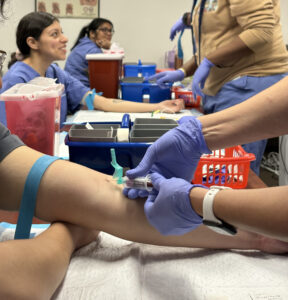
A career as a phlebotomist offers the opportunity to play an important role in patient care while working in a growing healthcare field. Phlebotomists are responsible for collecting blood specimens that help physicians diagnose, monitor, and treat medical conditions. Because this work requires specialized knowledge and technical skills, completing a professional healthcare training program in phlebotomy is the first step toward launching your career.
Before you can begin working as a phlebotomist, you need the proper healthcare training. A comprehensive phlebotomy program teaches students the essential skills required to safely collect blood specimens while providing compassionate patient care. From learning anatomy and medical terminology to mastering venipuncture techniques, your education prepares you to meet the standards expected in today’s healthcare settings.
Training also introduces students to legal and ethical responsibilities, infection prevention, and proper specimen handling, all of which are critical components of delivering safe and accurate patient care.
Successful phlebotomists rely on more than classroom knowledge. They need practical experience performing blood draws, following safety protocols, and interacting professionally with patients. Quality training programs combine classroom instruction with hands-on laboratory practice, allowing students to build confidence before entering the workforce.
By practicing under the guidance of experienced instructors, students develop the technical abilities and attention to detail needed to perform procedures accurately and safely.
Every patient interaction is unique. Some patients are nervous, while others may have medical conditions that require extra care during blood collection. Comprehensive healthcare training teaches students how to communicate effectively, explain procedures clearly, and maintain professionalism throughout every patient encounter.
Students also learn proper infection control procedures, specimen labeling, and quality assurance practices that help healthcare facilities maintain high standards of patient safety and laboratory accuracy.
Phlebotomists are employed in many different healthcare environments, including hospitals, physician offices, outpatient clinics, diagnostic laboratories, blood donation centers, and specialty medical practices. Completing a professional training program gives you the qualifications needed to pursue entry-level opportunities in a variety of clinical settings.
As you gain experience, your phlebotomy education can also serve as a valuable foundation for exploring additional healthcare careers and continuing your professional development.
Choosing a quality training program is one of the most important decisions you’ll make as you prepare for a healthcare career. The right education provides the knowledge, practical experience, and confidence needed to begin working as a phlebotomist while helping you meet employer expectations from day one.
If you’re ready to take the first step toward becoming a phlebotomist, BAMA Institute’s phlebotomy technician course is designed to prepare you for success. Through comprehensive classroom instruction and hands-on clinical training, you’ll develop the skills needed to perform blood collection procedures safely, communicate effectively with patients, and begin your career with confidence. Contact us today to learn more about the program, explore enrollment options, and start your journey toward a rewarding future in healthcare.
"*" indicates required fields
© 2024 BAMA Institute. All Rights Reserved. Website by WindsAndWater