Class Calendar | Call admissions on 415-943-2028
Get free phlebotomy training—exclusively for eligible Amazon Associates / Find MA training at BAMA
Class Calendar | Call admissions on 415-943-2028
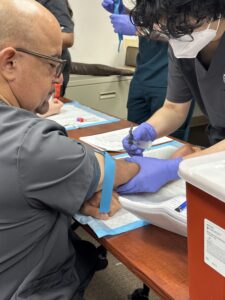
A successful phlebotomist does much more than draw blood. Behind every smooth, confident procedure is a combination of technical skill, emotional intelligence, and professional discipline. The good news is that these qualities are not just innate. They can be learned and strengthened through the right training program. If you are considering a career as a phlebotomist, understanding these key traits can help you succeed from day one.
A great phlebotomist knows how to communicate clearly and compassionately. Patients often feel anxious about needles, so explaining procedures in a calm, reassuring way makes a huge difference. During training, students practice patient interaction, learning how to build trust quickly and reduce fear. These communication skills are essential in hospitals, clinics, and labs alike.
Accuracy is critical in this field. A skilled phlebotomist must label samples correctly, follow strict protocols, and ensure patient identification is accurate every time. Even small mistakes can lead to serious consequences. Training programs emphasize precision and consistency, helping future professionals develop habits that support safe, reliable work.
Confidence comes with practice. A well-trained phlebotomist understands proper venipuncture techniques and can perform them efficiently. Hands-on training allows students to build muscle memory and refine their skills in a controlled environment. Over time, this confidence translates into smoother procedures and better patient experiences.
Working as a phlebotomist means interacting with people from all walks of life, many of whom may be nervous, in pain, or unwell. Empathy is a key trait that helps professionals provide not just technical care, but emotional support. Training helps students develop bedside manner, teaching them how to respond to patient needs with kindness and professionalism.
Healthcare environments depend on consistency. A dependable phlebotomist shows up prepared, follows safety guidelines, and maintains a professional attitude at all times. Training programs instill these habits early, ensuring students understand workplace expectations and the importance of accountability.
No two days are the same for a phlebotomist. From handling difficult draws to working with diverse patient populations, adaptability is crucial. Training exposes students to a variety of scenarios, helping them stay calm and flexible under pressure.
Becoming a great phlebotomist is about more than mastering a single skill. It is about developing a well-rounded set of traits that support both patient care and professional growth. With the right education, these abilities become second nature.
If you are ready to start building these essential skills, explore the phlebotomy technician course at BAMA Institute. Our hands-on training is designed to prepare every future phlebotomist for real-world success. Learn more and take the first step toward your healthcare career by contacting us today.
"*" indicates required fields
© 2024 BAMA Institute. All Rights Reserved. Website by WindsAndWater