
Class Calendar | Call admissions on 415-943-2028
Get free phlebotomy training—exclusively for eligible Amazon Associates / Find MA training at BAMA
Class Calendar | Call admissions on 415-943-2028
If you’re considering a career in healthcare, you’ve likely come across the terms: phlebotomy training and certification. While they may seem interchangeable, they serve different purposes in preparing you to become a skilled phlebotomist. Understanding the difference can help you make informed decisions about your education and career path.
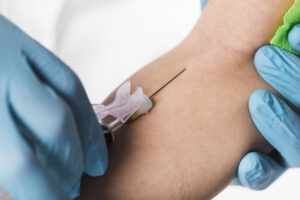
Phlebotomy training is the educational program that teaches you the practical and theoretical skills needed to draw blood safely and effectively. During training, students learn proper venipuncture techniques, handling and labeling specimens, infection control, and patient interaction. Most programs also include hands-on practice, often through labs and externships, giving you real-world experience before entering the workforce.
Completing a phlebotomy training program ensures that you are prepared to meet industry standards and perform blood collection confidently and safely. It is the first step toward becoming a certified phlebotomy technician.
While phlebotomy training provides the skills, certification validates your competence. Certification is a formal recognition from a recognized organization, such as the National Phlebotomy Certification Testing (NPCT), confirming that you meet professional standards. The certification process typically includes a written exam and a skills evaluation. Successfully passing both ensures that you are ready to work in hospitals, clinics, or labs. In short, training teaches you how to do the job, while certification proves that you can do it professionally.
A key advantage of enrolling in phlebotomy training is that it prepares you directly for the certification exam. Training programs cover all the essential topics that certification boards test, including anatomy, blood collection techniques, safety protocols, and patient care. This makes the transition from student to certified technician smoother and increases your chances of passing the exam on the first attempt.
Hands-on experience gained during training also builds confidence, which is crucial during both the skills evaluation and real-world patient interactions.
Not all programs are created equal. When selecting a phlebotomy training program, consider factors such as accreditation, clinical experience opportunities, class size, and student support. A reputable program ensures you receive quality instruction and guidance, giving you the best foundation for certification and career success.
For those looking to jumpstart their healthcare career, BAMA Institute’s Phlebotomy Technician Course is an excellent choice. Our comprehensive course combines in-depth classroom instruction with practical hands-on experience, ensuring students are well-prepared for certification and employment in a variety of healthcare settings.
Understanding the difference between phlebotomy training and certification is essential for anyone pursuing a career in blood collection and laboratory work. Training equips you with the necessary skills, while certification validates your ability to perform professionally. By choosing a high-quality program, you can confidently advance toward a rewarding career as a certified phlebotomy technician.
Ready to start your journey? Enroll in BAMA Institute’s Phlebotomy Technician Course today and take the first step toward a fulfilling healthcare career!
"*" indicates required fields

© 2024 BAMA Institute. All Rights Reserved. Website by WindsAndWater